Build Volume Reducer BVR
One metal 3D printer, two build volumes: material development with minimal powder, and full-size parts on the same machine
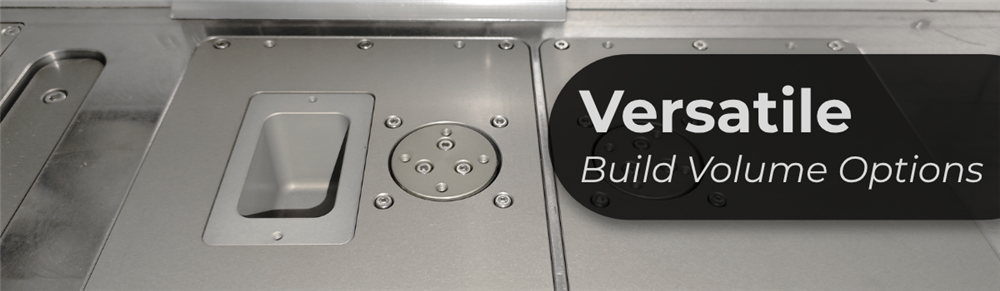
What the BVR is
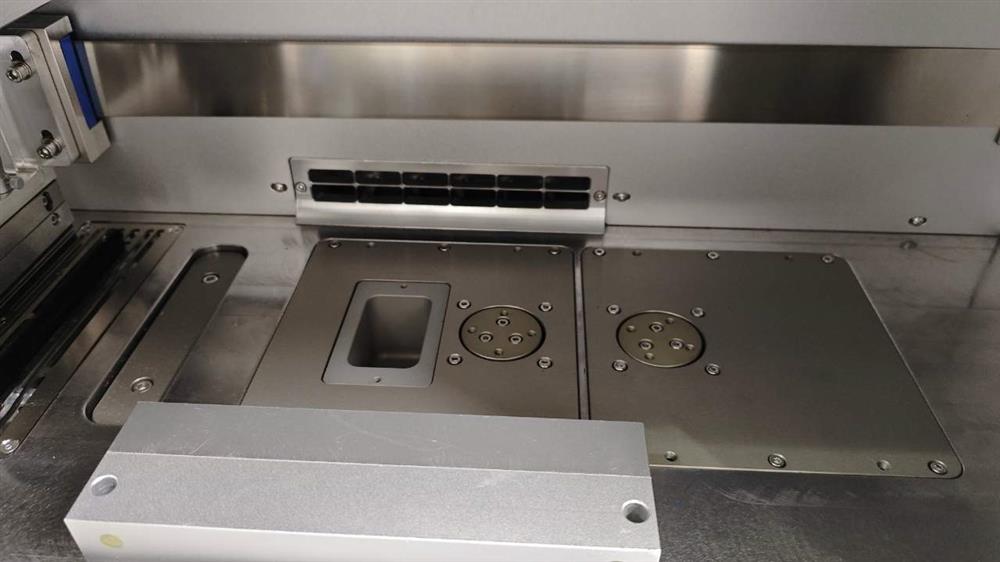
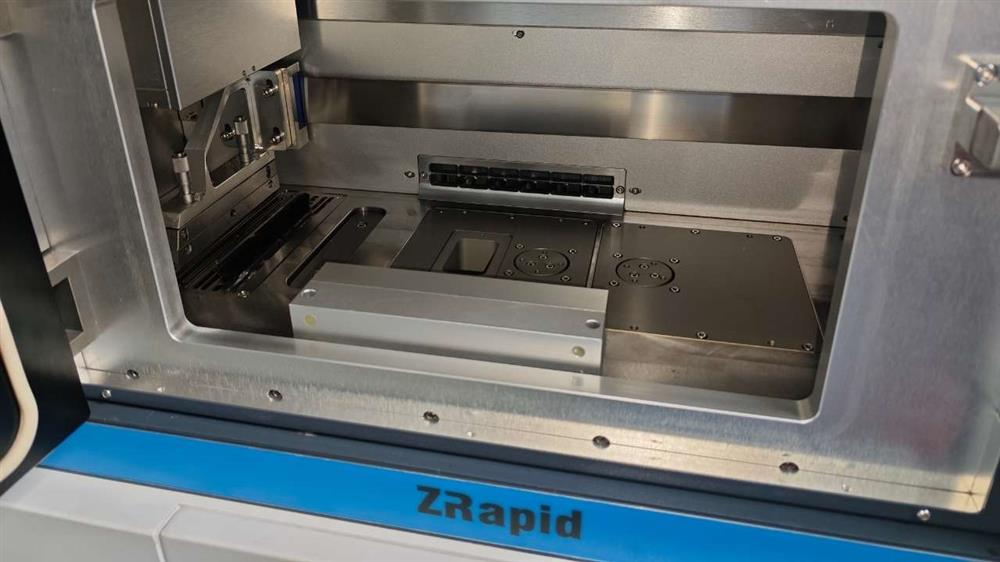
The Build Volume Reducer is a module for SLM systems, co-developed by ANiMA and ZRapid. It reduces the effective build envelope, so small builds and material tests can run with a fraction of the powder a full build needs. With the module out, the machine works at its full build volume for larger parts and production.
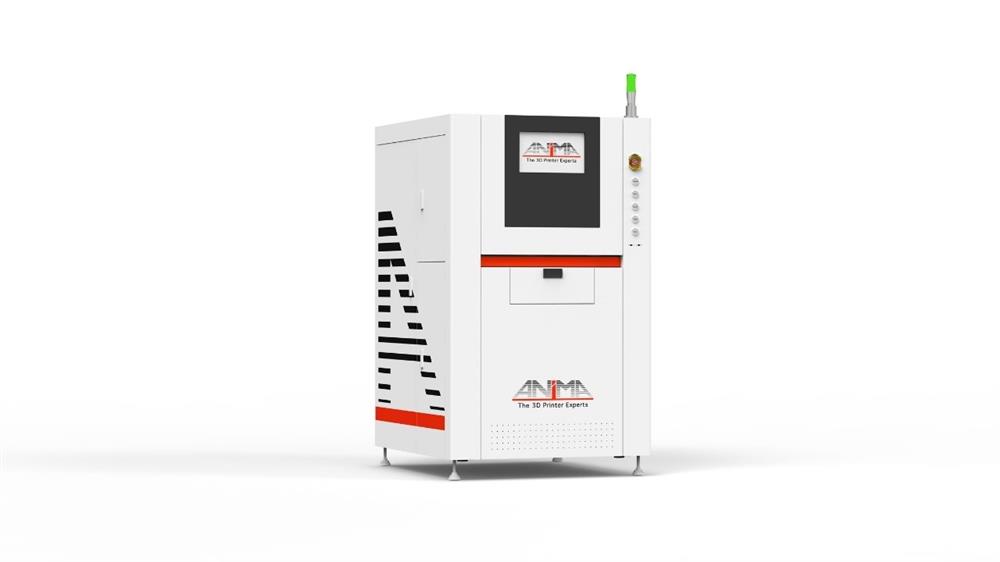
The ANiMA A1 includes the BVR. Its reduced envelope is Φ50 mm × 80 mm, inside a standard build volume of 160 × 160 × 210 mm.
Why build volume matters when you develop materials
On a powder bed machine, the build area has to be filled with powder up to the height of the build, however small the part is. On a full-size platform, a handful of test coupons can still need kilograms of powder.
That becomes a real constraint when:
-
the alloy is experimental, custom or only available in small lots
-
the powder is expensive, as with titanium or nickel alloys
-
finding a working process window takes many short test builds
-
the budget belongs to a university, an R&D lab or an internal development project
The numbers on the ANiMA A1
|
Configuration |
Build envelope |
Envelope volume |
Powder to fill it, Ti6Al4V (approx.) |
|
Full build volume |
160 × 160 × 210 mm |
5.4 L |
13.4 kg |
|
BVR |
Φ50 × 80 mm |
0.16 L |
0.4 kg |
The reduced envelope is about 3% of the full build volume. Volumes are calculated from the published dimensions. Powder weights use the 2.5 g/cm³ apparent density from TC4 data sheet and cover the envelope only, not dosing or overflow, so actual use per build is higher.
One machine for research and production
Without a BVR, a lab or development team usually has two options. Buy a small research machine that cannot make full-size parts, or run material tests on a production machine and pay for the powder that takes.
The BVR removes that trade-off. The same system runs parametric studies and material tests in the reduced configuration, then produces full-size parts once the process is proven. For the business, that means one machine purchase, one footprint, one operator training programme and one service relationship. The development work is also done on the same laser, optics and gas system that will run production, which keeps results relevant when you scale up.
According to ZRapid Europe, the reduced configuration keeps full industrial-grade print quality while lowering powder consumption.
Who it is for
-
Universities and research institutes testing new powders and alloys
-
R&D labs running parametric studies
-
Manufacturers qualifying a new material or a new powder supplier before using it in production
-
Teams developing parameters for customer-specific alloys
The BVR works together with Fully Open Parameters and Wide Material Support: open parameters let you change the process for a new material, and the BVR lets you test those changes without filling the full build volume.
Questions worth asking during evaluation
-
How much powder does a typical test build need in the reduced configuration, including dosing?
-
How long does it take to switch between the reduced and full configuration?
-
Can you access and change all the process parameters you need for material development?
-
Which machines in the range support the module?
Conclusion
The BVR lets one SLM machine do two jobs. It runs material development with a small amount of powder, and it runs full-size production builds. For organisations that develop or qualify materials, that means lower powder cost per test, more tests within the same budget, and no second machine to buy.
Recommended next steps:
-
Tell us which materials you plan to develop or test, and how much powder you have available.
-
Ask for the BVR configuration details for the ANiMA A1 and iSLM160.
-
See the A1 and BVR running at our demo center in Athens.
Related advantages: Permanent Filtration System · Print-Time Estimation · Fully Open Parameters · Wide Material Support · Fast Material Changeover